If you’ve driven down Broad Street lately, you’ve probably had the same thought as everyone else: when is all this construction going to end?
Orange cones, closed sections of sidewalk, and the occasional traffic shuffle have become part of the downtown routine. But according to new details released about the Broad Street Improvement Project and the James Brown Linear Park, the end result could be something downtown restaurants have wanted for years.
And it starts with space.
Wider Sidewalks = Patio Potential
One of the biggest changes coming to Broad Street is sidewalks expanding to 13–20 feet in many sections.
That may not sound exciting at first glance, but for restaurants it’s a big deal. Wider sidewalks mean the potential for more outdoor dining, patio seating, café tables, and sidewalk energy — the kind of things that turn a street from somewhere you pass through into somewhere you actually want to hang out.
If you’ve ever visited cities where the best restaurants spill out onto the sidewalk, that’s the kind of vibe the redesign could help create.
Composing the James Brown Linear Park
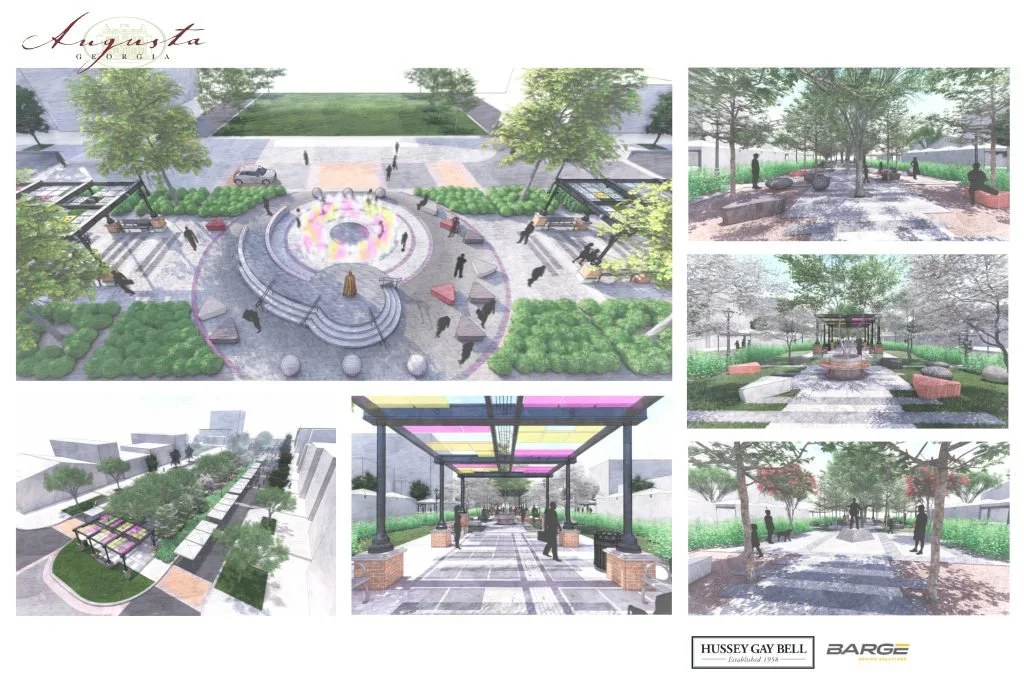
The center of the project is the James Brown Linear Park, which planners say will lean heavily into Augusta’s musical heritage.
The plaza will feature interactive water and fog jets that move to James Brown’s music, along with color-changing lights that turn the space into more of a nighttime attraction.
The James Brown statue will also return on a newly designed stage area, and the park itself will include a lot of playful details — benches shaped like guitar picks, pavement patterns that mimic sound waves, and shade structures featuring album art and sheet music.
Translation: the park is meant to be a place where people actually stop and spend time, which usually means nearby restaurants and cafés benefit too.
A Downtown Designed for Walking (and Wandering)
The project also introduces protected bike lanes and slightly narrower driving lanes designed to slow traffic and make the corridor feel safer for pedestrians.
Why does that matter for restaurants?
Because the easier it is for people to walk around downtown, the more likely they are to grab a drink, pop into a café, or decide on dinner somewhere they didn’t plan on.
Cities across the country have learned that when streets feel calmer and more walkable, restaurant traffic tends to follow.
And with $196 million in visitor spending on lodging and $195 million on entertainment and recreation in 2025, according to Destination Augusta, the city already attracts a steady flow of people looking for things to do after they check into their hotel or finish an event.
The Bigger Picture for Downtown Dining
Let’s be honest: the construction phase has tested everyone’s patience. Restaurants have had to navigate blocked sidewalks, confusing traffic patterns, and the occasional “are you even open?” moment from customers.
But projects like this tend to be short-term pain for long-term gain. Cities that invest in walkable streets, outdoor dining, parks, and pedestrian-friendly design almost always see their restaurant scenes grow alongside it.
The real opportunity for Augusta isn’t just making Broad Street look nicer.
It’s making downtown a place where people come for dinner and end up staying for the whole night.
And in a city where visitors are already spending hundreds of millions of dollars each year on food, drinks, and experiences, that’s a rhythm the restaurant scene would happily dance to.
And in the meantime, one small request from your local foodies:
Keep showing up for downtown restaurants while the future is being built around them.